Learning Center for Tax and Financial Insights

Stay updated with clear, actionable articles on tax rules, deadlines, deductions, and financial decisions that impact individuals and businesses.

No items found.

Only 12 Days Left for 2024 Tax Deductions

Article Highlights:You can still take action to reduce your 2024 tax bill.Such actions must be completed before the end of 2024.Deductible expenses paid by credit card are deductible in the year they are charged.College TuitionBusiness ExpensesHarvest Last Minute LossesItemized DeductionsAs the end of the year is getting close, this is a reminder that New Year’s Eve, December 31, is the last day that you can make a tax-deductible purchase, pay a tax-deductible expense, make a tax-deductible charitable contribution, or pay tax-credit-qualifying tuition or expenses for 2024.That date is only 12 days away. Although many businesses, charitable organizations and government offices will be closed for the New Year’s holiday, you still have time before then to make charitable contributions and pay deductible taxes. Don’t be surprised, though, if some establishments close down sooner than the 31st to take a long weekend, meaning your time to take action may be even shorter.College Tuition - If you have a child in college, you can also check to see if you have paid at least $4,000 in tuition and qualifying expenses for that student during 2024. If not, you are permitted to prepay for the first 3 months of the next year’s tuition and count that payment toward your 2024 tuition credit. However, before you do that, please call this office to make sure that this strategy is beneficial for you based upon the tuition amount and your income level.Business Expenses - If you own a small business and make a business acquisition before the end of the year, you can generally expense (write off) the entire cost. However, business acquisitions must be placed in service before their expenses are deductible. Thus, do not expect a deduction on your 2024 return if you take delivery after the end of the year—even if you paid for the item in 2024.Harvest Last Minute Losses - If you have an overall capital gain for the year so far, you can check with your broker or conduct your own review of your portfolio to find losers that you could sell before the year ends to offset your gains; you could even come up with a net $3,000 loss that could be tax-deductible. Of course, these transactions will need to be completed before the last trading day of the year.Itemized Deductions – To benefit from claiming itemized deductions, they must exceed the standard deduction for your filing status.2024 STANDARD DEDUCTIONSFiling StatusMarried Filing Joint & SurvivingHead of HouseholdSingleMarried Filing Separate2024$29,200$21,900$14,600$14,600

Explore More
No items found.

2025 Standard Mileage Rates Announced

Article Highlights:Standard Mileage Rates for 2025Business, Charitable, Medical and Moving RatesImportant Considerations for 2025Switching Between the Actual Expense and Standard Mileage Rate MethodsEmployer ReimbursementsEmployee Deductions SuspendedSpecial Allowances for SUVsAs it does every year, the Internal Revenue Service recently announced the inflation- adjusted 2025 optional standard mileage rates used to calculate the deductible costs of operating an automobile for business, charitable, medical, or moving purposes.Beginning on Jan. 1, 2025, the standard mileage rates for the use of a car (or a van, pickup or panel truck) are:70 cents per mile for business miles driven (including a 33-cent-per-mile allocation for depreciation). This is up from 67cents per mile in 2024; 21 cents per mile driven for medical, down from 22 cents per mile same as 2024; and14 cents per mile driven in service of charitable organizations.The business standard mileage rate is based on an annual study of the fixed and variable costs of operating an automobile. The rate for medical and moving purposes is based on the variable costs as determined by the same study. The rate for using an automobile while performing services for a charitable organization is statutorily set (it can only be changed by Congressional action) and has been 14 cents per mile for over 25 years.When using a personal vehicle while performing services for a charitable organization, and instead of using the 14 cents a mile method, a taxpayer who itemizes their deductions can deduct directly-related out-of-pocket expenses, such as the cost of gas and oil. However, the expenses of general repair and maintenance, depreciation, registration fees, or the costs of tires or insurance aren’t deductible.Important Considerations for Business Use of a Vehicle – Taxpayers always have the option of calculating the actual costs of using their vehicle for business rather than using the standard mileage rates. In addition to volatile fuel prices, the bonus depreciation as well as increased depreciation limitations for passenger autos may make using the actual expense method worthwhile during the first year a vehicle is placed in business service. While the bonus depreciation rate had been 100% during 2018-2022, it was 80% for 2023, 60% for 2024 and will be 40% for vehicles put in service in 2025.However, the standard mileage rates cannot be used if you have used the actual method (using Sec. 179, bonus depreciation and/or MACRS depreciation) in previous years. This rule is applied on a vehicle-by-vehicle basis. In addition, the business standard mileage rate cannot be used for any vehicle used for hire or for more than four vehicles simultaneously.

Explore More
No items found.

Video Tips: Wrapping Up Year-End Business Purchases

A small business may make a business acquisition before the end of the year, and by using a combination of Sec 179 expensing and bonus depreciation can deduct most, if not all, of the cost on 2024’s income tax return. However, business acquisitions must actually be placed in service before their expenses are deductible. Thus, there would be no deduction on the 2024 return if delivery of the item is taken after the end of the year—even if paid for in 2024.

Explore More
No items found.

Tax Avoidance and Hollywood’s Golden Age: A Glitzy Game of Loopholes

Tax avoidance has long been a contentious topic in the business world, but few industries blend its complexities with glamour quite like Hollywood. During the Golden Age of Hollywood, a period marked by glittering stars and box office dominance, major players in the film industry became as skilled at finding tax loopholes as they were at creating cinematic masterpieces. From extravagant lifestyles to shell corporations, tax avoidance schemes became as much a part of the industry as the movies themselves.Today, tax avoidance schemes are synonymous with billionaires and corporations, but Tinseltown wrote the playbook in the 1930s and 1940s. Hollywood’s biggest stars and studios became pioneers of tax strategy, setting trends that remain relevant in the financial world today.The Studio System and Corporate Tax StrategiesIn the 1930s and 1940s, Hollywood was dominated by the studio system, with companies like MGM, Warner Bros., and Paramount functioning as vertically integrated powerhouses. These studios controlled film production and owned theaters, ensuring a continuous stream of revenue. However, this also placed them under intense scrutiny from tax authorities.Studios mastered the art of avoiding hefty tax bills by reinvesting profits into film production. By doing so, they could claim significant deductions while simultaneously growing their cinematic empires. "The studios understood early on that reinvestment in production was not just good for business—it was a tax strategy," notes Richard B. Jewell, a historian specializing in Hollywood's early years.The Stars Golden Age stars like Cary Grant, Katharine Hepburn, and Humphrey Bogart were known for their extravagant lifestyles, but they were also shrewd financial planners—often with the help of savvy accountants. Offshore accounts and foreign trusts were common tools for stars to shield their earnings from U.S. taxes. According to a Los Angeles Times investigation, some stars moved significant portions of their wealth overseas, often with the blessing of studio executives who wanted to keep their talent happy and solvent.Another notable example is actor Kirk Douglas, who discovered in the late 1950s that his agent, Sam Norton, had mismanaged his finances, leading to a substantial tax debt. Douglas's wife, Anne, grew suspicious of Norton's control over her husband's assets, especially after uncovering a prenuptial agreement presented without Kirk's knowledge. Her concerns deepened when an audit by Price Waterhouse revealed that investments advised by Norton were channeled through dummy companies he owned, resulting in Douglas owing the IRS $750,000. Tax Loopholes: Art or Exploitation?The Golden Age was utterly rife with creative tax strategies that blurred the line between avoidance and evasion. One popular method involved creating shell companies. Stars would often establish personal production companies to finance their own projects. While this gave them creative control, it also allowed them to deduct a wide range of expenses—from luxury cars to personal chefs—as business costs.

Explore More
No items found.

January 2025 Individual Due Dates

January 2 - Time to Call For Your Tax Appointment -January is the beginning of tax season. If you have not made an appointment to have your taxes prepared, we encourage you to do so before the calendar becomes too crowded.January 10 - Report Tips to Employer -If you are an employee who works for tips and received more than $20 in tips during December, you are required to report them to your employer on IRS Form 4070 no later than January 10.January 15 - Individual Estimated Tax Payment Due -This is the last day to timely make your fourth quarter estimated tax installment payment for the 2024 tax year. If you don't pay your estimated tax by January 15, you must file your 2024 return and pay all tax due by January 31, 2025, to avoid an estimated tax penalty. January 31 - Individuals Who Must Make Estimated Tax Payments - If you didn't pay your last installment of 2024 estimated tax by January 15, you may choose (but aren't required) to file your income tax return (Form 1040 or Form 1040-SR) for 2024 by January 31. Filing your return and paying any tax due by January 31 prevents any penalty for late payment of the last payment of the last installment. If you can't file and pay your tax by January 31, file and pay your tax by April 15.

Explore More
No items found.

Oops, They Did It Again: The BOI Ruling That’s Leaving Small Businesses Dizzy

Remember that rollercoaster ride we all thought was over? Well, buckle up—because the Beneficial Ownership Information (BOI) saga just took another wild turn. An appeals court recently reinstated an injunction that halts BOI enforcement (yes, again). If your head is spinning trying to keep track, you’re not alone.The Headline Drama, in Plain EnglishA Court Steps In: The injunction effectively puts the brakes on the IRS/FinCEN from enforcing certain parts of the BOI reporting rules.Whiplash-Worthy Moves: These rules have been ping-ponging through the courts, leaving small business owners everywhere asking, “Wait, does this apply to me or not?”Implication for Small Businesses: If you were scrambling to submit your beneficial ownership info by that looming deadline, the good news is… you might get to kick back for a bit. The bad news? This temporary pause doesn’t mean the law disappears—it’s just on hold.Why Should You Care (And Not Just Roll Your Eyes)?Look, it’s tempting to toss this news in the “government drama” trash bin and get back to that never-ending inbox. But ignoring BOI could be risky:Potential PenaltiesWhen (or if) enforcement restarts, the rules might come back with a vengeance. And no, the feds aren’t shy about serving up fines.Compliance WhiplashOne day, the regs are in effect. Next day, they’re out. It’s like trying to dance to a DJ with a faulty turntable. The music stops, starts, speeds up—and you’re left stepping on your own toes.Business As Usual?With the injunction reinstated, you get a breather… for now. But we all know how short-lived these “pauses” can be.

Explore More
No results found.
Thank you! Your submission has been received!
Oops! Something went wrong while submitting the form.

Want tax & accounting tips & insights?Sign up for our newsletter.

Thank you! Your submission has been received!
Oops! Something went wrong while submitting the form.

Why Work With Us?

We combine deep tax expertise, financial strategy, and practical business insight to help you manage complexity, stay compliant, and make confident financial decisions.
A dollar sign, representing financial advice or discussion at NR CPAs & Business Advisors.

Experienced CPA and Enrolled Agent Leadership

Guidance led by licensed professionals with deep expertise in tax strategy, compliance, and complex financial matters.
White bar chart with an upward arrow on green circular background representing growth or progress at NR CPAs &. Business Advisors

Support for Growing Businesses and Startups

We understand the financial challenges of growth stage businesses and provide structured guidance to support expansion.
A white hand holding a dollar symbol and ascending bar chart on a green circular background representing financial growth or investment at NR CPAs & Business Advisors..

Strategic Financial Advisory

Our team helps you evaluate financial decisions with greater clarity, supported by practical insights and long term planning.

Fractional CFO Support

Access experienced financial leadership without the commitment and cost of hiring a full time Chief Financial Officer.

Proactive Tax Planning Approach

We focus on identifying tax opportunities throughout the year rather than reacting only during filing season.

Clear and Reliable Financial Reporting

Accurate financial statements and reporting that help you better understand performance and make informed decisions.
White IRS building icon with pillars and a dollar sign above on a green circular background.

Professional IRS Representation

Experienced support in resolving IRS notices, disputes, and compliance matters while protecting your financial interests.

Personalized Client Focus

Every client receives thoughtful attention and tailored financial solutions based on their specific needs and business goals.
Financial matters often involve important decisions. Working with experienced advisors can help you approach them with greater clarity and confidence in your choices.

Need Help With Your Tax or Financial Decisions?

Discuss your situation with our advisors to get clear guidance on tax planning, IRS matters, and the financial decisions ahead.
Business consulting at NR CPAs & Business Advisors.

Request Your Consultation

Fill out the form to discuss your tax concerns, financial questions, or advisory needs with our team. We will review your details and respond shortly.

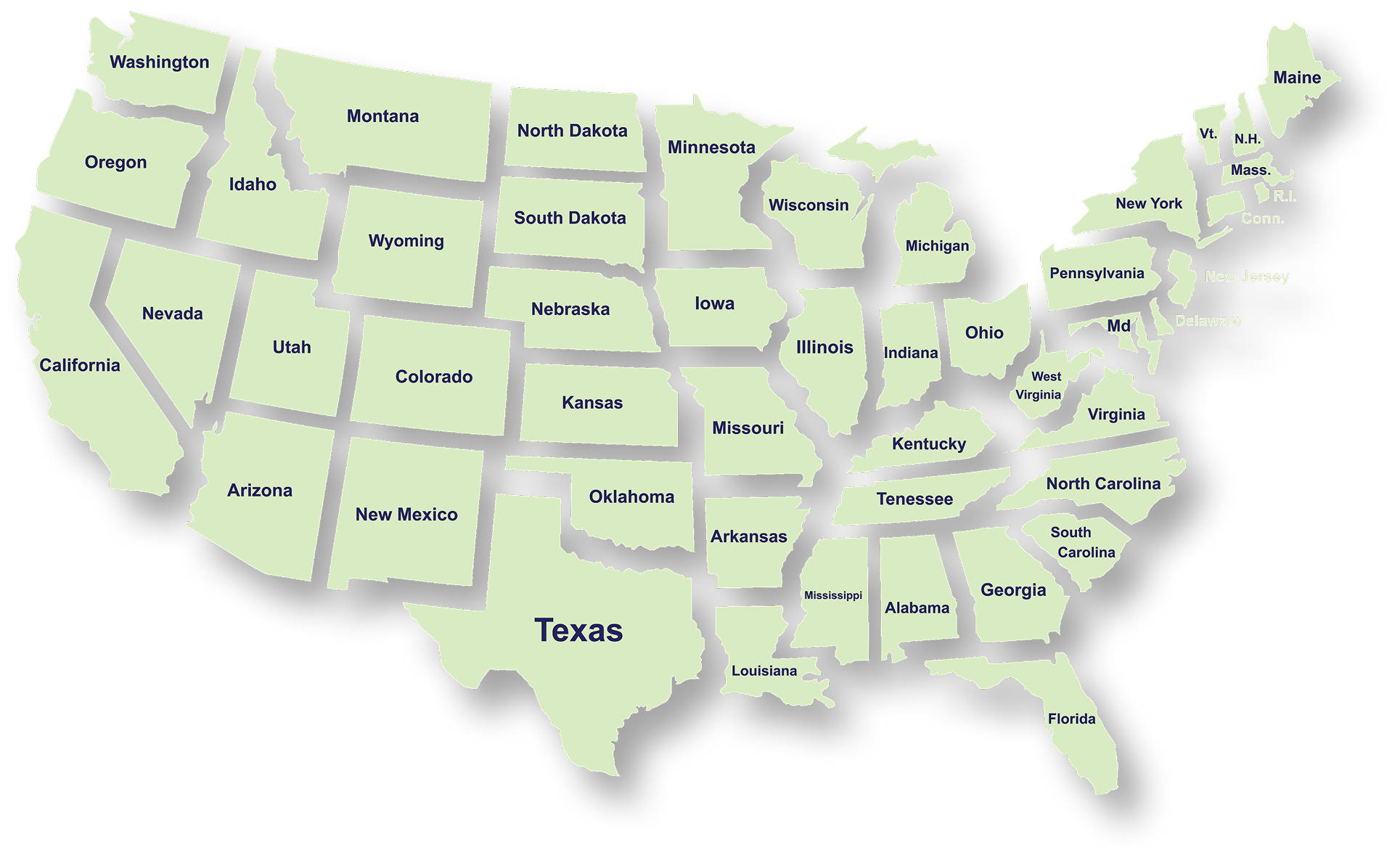
Serving Businesses & Individuals Across USA

We handle accounting, tax filing, and planning with defined timelines and accurate reporting for businesses and individuals across all states.

Frequently Asked Questions

What services does NR CPAs & Business Advisors provide?
What is tax planning and why is it important for businesses?
How can a Virtual CFO help my business?
When should a business consider IRS tax resolution services?
What financial statements does a business typically need?
How can startup advisory services help new businesses?
What is strategic business planning?
What is a Virtual Family Office and who can benefit from it?