Learning Center for Tax and Financial Insights

Stay updated with clear, actionable articles on tax rules, deadlines, deductions, and financial decisions that impact individuals and businesses.

No items found.

The Obscure Research Credit

Article Highlights:· Credit Purpose· Credit Amount· Simplified Credit Calculation· Failure to Take Advantage of the Credit· Small Business Features· Qualified Research Expenses· Business QualificationsAn obscure tax credit—generally referred to as the R&D (research and development) credit—was originally added to the tax code in 1981 as a two-year incentive for businesses and has been extended every year since, until it was recently made permanent.The purpose of the credit is an inducement and reward to get U.S. companies to increase their investment in research and development for new, improved, or technologically advanced products or trade processes, thus keeping the U.S. competitive with the rest of the world. Other applications of the credit may include improvement upon the functionality, reliability, performance, or quality of existing products or trade processes.The credit (IRC Sec 41) is generally 20% of the increase in research activities over a base amount and includes some very complicated calculations related to payments made to certain outside organizations and for energy research.The base amount is a fixed percentage of a taxpayer’s average annual gross receipts from a U.S. trade or business, net of returns, and allowances for the 4 tax years before the credit year. It can’t be less than 50% of the current year’s qualified research expenses.There is also a simplified credit calculation, which may be more suitable for a smaller business, that is equal to 14% (instead of 20%) of the excess of the qualified research expenses for the tax year over 50% of the average qualified research expenses for the three tax years preceding the tax year for which the credit is determined.Most of the complications involve larger businesses, while smaller businesses may fail to take advantage of the credit, not realizing those complications probably do not apply to them. Thus, many medium- to small-size businesses fail to claim the credit. The good news is that if your company qualifies for the credit and hasn’t utilized it, it can be claimed on an amended tax return for a prior year that is within the statute of limitations.The credit also includes two features that are favorable to small businesses ($50 million or less in gross receipts).· They may claim the credit against the alternative minimum tax (AMT) liability, and

Explore More
Personal Finance

How Understanding the ‘Rule of 72’ Helps You Make Personal Finance Decisions

Though everybody wants their money to grow, few people understand the best way to make that happen. It’s all about where you choose to put your money and the rate of growth you’re able to achieve over a period of time. When you’re trying to figure out how compound interest works, the “rule of 72” is one of the most helpful tools available. What is the Rule of 72?The Rule of 72 is a helpful, easy-to-understand formula that predicts how many years it takes money to double based on a specific rate of return. You can use it to make decisions about where to put your money based on how much time you have for it to grow and what your risk tolerance is. If your goal is to have twice as much when you finish as when you start, you can identify the interest rate you need based on how much time you have. All you need is the interest rate to complete the calculation, which is based on the following formula:72 / interest rate = years to doubleWith this simple calculation, you can look at the interest rate offered by various savings tools or anticipated growth of investments and see exactly how long it will take for your money to double. Here’s how different rates of interest impact the time needed to double:At 1%, it will take 72 years for your money to double (72 / 1 = 72)At 3%, it will take 24 years for your money to double (72 / 3 = 24)

Explore More
No items found.

Fall Tax Planning May Be Wise

Article Highlights:Maximize Education Tax CreditsEmployer Health Flexible Spending AccountsMaximize Health Savings Account ContributionsConvert Traditional IRAs to Roth IRAsDon’t Forget Your 2021 Minimum Required DistributionsBunching DeductionsTake Advantage of the Zero Capital Gains RateDefer DeductionsIncrease IRA DistributionsDefer Capital Gains by Investing in an Opportunity Zone FundSell Loser StocksTake Steps to Avoid Underpayment PenaltiesPrepay State and Local TaxesDon’t Waste the 2021 Annual Gift Tax ExemptionNot Needing to File May Be an OpportunityUtilize IRA-to-Charity TransfersMaximize Tax-Deductible Medical ExpensesMake Business PurchasesDivorced or Separated During the YearDisaster Loss PlanningIncreased Charitable Giving OpportunitiesTake Advantage of Energy CreditsTaxes are like vehicles in that they sometimes need a periodic check-up to make sure they are performing as expected, and if ignored, can cost you money. That is true of taxes as well, especially for 2021, as the pandemic benefits begin to wane and President Biden’s tax proposals loom.The following is a list of potential tax strategies that you might benefit from. Every taxpayer’s situation is unique, and not all the tax strategies suggested here will apply to you. However, opportunities for tax planning are available for all income levels and a variety of tax circumstances, some of which may apply to your situation. But waiting too late in the year may not give you the time needed to take advantage of some of these strategies.Maximize Education Tax Credits - If you qualify for either the American Opportunity Tax Credit (AOTC) or Lifetime Learning Credit (LLC), check to see how much you have already paid for qualified tuition and related expenses during the year. If it is not the maximum allowed for computing the credits, you can prepay 2022 tuition if it is for an academic period beginning in the first three months of 2022 and use the expense for the 2021 credit. Employer Health Flexible Spending Accounts - If you contributed too little to cover expenses this year, you may wish to increase the amount you set aside for next year. As a reminder, amounts paid after 2019 for over-the-counter medicine (whether or not prescribed) and menstrual care products are considered medical care and are considered a covered expense. The maximum contribution for 2021 is $2,750. Maximize Health Savings Account Contributions - If you become eligible to make health savings account (HSA) contributions late this year, you can make a full year’s worth of deductible HSA contributions, even if you were not eligible to make HSA contributions for the entire year. This opportunity applies even if you first become eligible in December. In brief, if you qualify for an HSA, contributions to the account are deductible, or nontaxable if made by your employer (within IRS-prescribed limits); earnings on the account are tax-deferred; and distributions are tax-free if made for qualifying medical expenses. Amounts paid after 2019 for over-the-counter medicine (whether or not prescribed) and menstrual care products are considered medical care and are considered a covered expense. However, only medical expenses you incur after you establish an HSA are eligible for tax-free distribution. It is possible for an HSA to become a supplemental retirement plan if the funds are left to accumulate. Convert Traditional IRAs to Roth IRAs - If your income is unusually low this year or even negative, you may wish to consider converting your traditional IRA to the more favorable Roth IRA which provides tax free accumulation, and the distributions are tax-free at retirement. The lower income results in a lower tax rate, which provides you an opportunity to convert to a Roth IRA at a lower tax amount.Don’t Forget Your 2021 Minimum Required Distributions - If you are age 72 or older, you must take required minimum distributions (RMDs) from your IRA, 401(k) plan, and other employer-sponsored retirement plans (but if you are still working, distributions from your current employer’s plan can be postponed in some circumstances). Failure to take a required withdrawal can result in a 50% penalty of the amount of the RMD not withdrawn. If you turned age 72 in 2021, you could delay the first required distribution to the first quarter of 2022, but if you do, you will have to take a double distribution in 2022, the one for 2021 and the 2022 RMD. One needs to carefully consider the tax impact of a double distribution in 2022 versus a distribution in both this year and next.Bunching Deductions - If your tax deductions normally fall short of needing to itemize and the standard deduction you are allowed is greater, or even if you can itemize but only marginally, you may benefit from adopting the “bunching” strategy. To be more proactive, you can time the payments of tax-deductible items to maximize your itemized deductions in one year and take the standard deduction in the next. Take Advantage of the Zero Capital Gains Rate - There is a zero long-term capital gains rate for those taxpayers whose taxable income is below the 15% capital gains tax threshold. This may allow you to sell some appreciated securities that you have owned for more than a year and pay no or very little tax on the gain. Defer Deductions – When you itemize your deductions, you may claim only the deductions you paid during the tax year (the calendar year for most folks). If your projected taxable income is going to be negative and you are planning on itemizing your deductions, you might consider putting off some of those year-end deductible payments until after the first of the year and preserving the deductions for next year. Such payments might include house of worship tithing, year-end charitable giving, tax payments (but not those incurring late payment penalties), estimated state income tax payments, medical expenses, etc. Increase IRA Distributions – Depending upon your projected taxable income, you might consider taking an IRA distribution to add income for the year. For instance, if the projected taxable income is negative, you can take a withdrawal of up to the negative amount without incurring any income tax. Even if projected taxable income is not negative and your normal taxable income would put you in the 24% or higher bracket, you might want to take out just enough to be taxed at the 10% or even the 12% tax rates. Of course, those are retirement dollars; consider moving them into a regular financial account set aside for your retirement. Also be aware that distributions before age 59½ are subject to a 10% early withdrawal penalty. Defer Capital Gains by Investing in an Opportunity Zone Fund - A unique tax benefit is the ability to defer any capital gain into a qualified opportunity fund (QOF). QOFs are funds that invest in areas in need of development. If you have a capital gain from selling property to an unrelated party, you may elect to defer that gain by investing it into a QOF within 180 days of the sale or exchange. The gain won’t be recognized (i.e., you won’t be taxed on the gain) until your return for the earlier of the year of sale of the QOF or 2026. You can get up to 10% of the deferred gain forgiven entirely by holding the investment for the required time period, and you will pay no tax on any additional gain if the investment is held for 10 years. Sell Loser Stocks – Although the stock market has been performing well recently you still may have stocks that have declined in value. If you sell them before the end of the year you can use any losses to offset other gains for the year or produce a deductible loss. The net capital loss deductible on a tax return is limited to $3,000 ($1,500 if filing married separate) for the year, but any excess loss carries over to future years. You can repurchase stock in the same company for which you sold shares at a loss after 30 days have passed and avoid the wash sale rules.

Explore More
No items found.

Video tip: How to Respond to an IRS Letter

An IRS letter sent to your mailbox may bring good news or bad news. It may just provide more information about your account, but it could also require a response on your part which you should not ignore or delay. If there are issues with your tax return, it is advised that you seek assistance from tax experts to avoid paying any unnecessary costs.

Explore More
No items found.

The IRS Backlog Is Causing Taxpayer Heartburn

Article Highlights:COVID-19 and Tax-Return Processing DelaysCongress Helped to Create the BacklogTaxpayer Advocate’s AssessmentBacklogBefore the COVID-19 pandemic, the IRS was getting refunds out swiftly and responded to calls and correspondence in a reasonable amount of time. However, COVID-19 brought about a perfect storm of delays, initially caused by employees having to stay home because lockdowns prevented processing centers from operating and workers from going to their offices. And in most instances, IRS employees could not work from home because of the secure nature of their tasks and the IRS’s computer system. Congress also heaped more work on the IRS by making the service responsible for distributing the economic recovery payments (stimulus payments), not just once but three times. Plus, Congress made retroactive tax changes, which required the IRS to modify already filed tax returns. Bottom line: it has been a rough couple of years for the IRS, and it is taking a long time for them to catch up.More recently, Congress mandated paying eligible taxpayers 50% of their child tax credit for 2021, estimated based on the 2020 return information, in six monthly installments from July through December, placing an additional burden on IRS resources. For those who hadn’t filed their 2020 return yet, the third economic recovery payment and the advance child tax credit payments were based on their 2019 tax return. But as people filed their 2020 returns, the IRS needed to recalculate the amounts of the payments so that taxpayers weren’t shorted. These do-overs take away time that otherwise could be spent working through the backlog of correspondence and amended returns for prior years and processing the 2020 returns being filed on extension.

Explore More
No items found.

The Ins and Outs of Bookkeeping: All the Best Practices to Get the Best Financial Outcome From Your Organization

If you had to make a list of some of the most critical elements of running a business that most new entrepreneurs don't think enough about until it's far too late, bookkeeping would undoubtedly be right at the top.On a surface level, bookkeeping is simply the process of keeping accurate, thorough records of the financial affairs of any business. But once you begin to dive deeper, you see that it's about so much more than that.It's what allows you to maintain a proper cash flow — something that has long been a major pain point for any organization. It's what allows you to make more accurate and informed decisions regarding growth. More than anything, it's what allows you to start making a plan for the future, which in and of itself is the most important benefit of all.Handling bookkeeping on your own can quickly become a full-time job, which is a bit of an issue since you already have one of those on your plate. But by keeping a few key things in mind, you can enjoy all the benefits of this process with as few of the potential downsides as possible.The Art of Business Bookkeeping: Breaking Things DownWhen it comes to small business bookkeeping, it's critical to understand what you should be doing and, most importantly, when. The financial health of your organization has both short- and long-term ramifications, and the only way to control your own trajectory is to make a list of what you should be doing and why.On a weekly basis, for example, you'll want to pay close attention to things like your cash flow statement and variable expenses. Cash flow is exactly what it sounds like — the money coming into and out of your business. If you're not paying attention to this, you might not realize that you don't have nearly as much money coming in as you think. This is especially true if you're waiting on client invoices to get paid but have no real idea of when they were sent or when they're due.You cannot assume that just because your revenue says one thing, you have an equal cash reserve sitting there waiting to be taken advantage of. Especially in the situation with client invoices outlined previously, that isn't always the case. If there is a sudden business opportunity that you're trying to take advantage of or if you need to pay for an urgent expense like a new piece of equipment or machinery, this is not the time to find out that your accounts don't have as much in them as you assumed they did.Therefore, you need to have a constant idea of how much cash you have on hand, along with the amount of money required to manage critical aspects of your business.Variable expenses are a related concept, which themselves are defined as those expenses that don't have a fixed monthly or annual rate. If you took out a loan to start your business, it's likely that you have a set, predictable monthly payment. Unless you miss a payment and get hit with some type of penalty, that number isn't going to change.Marketing, however, is something that changes all the time — particularly if you're experimenting with all the different types of campaigns that you could run. If you've invested in digital advertising on sites like Google, you're probably not going to hit upon the perfect campaign right away. You'll need to run tests to see what works and what doesn't, which will ultimately impact the amount of money you'll pay. If you move into the world of print advertising and run newspaper ads or design fliers, this too will come with an entirely different set of costs.

Explore More
No results found.
Thank you! Your submission has been received!
Oops! Something went wrong while submitting the form.

Want tax & accounting tips & insights?Sign up for our newsletter.

Thank you! Your submission has been received!
Oops! Something went wrong while submitting the form.

Why Work With Us?

We combine deep tax expertise, financial strategy, and practical business insight to help you manage complexity, stay compliant, and make confident financial decisions.
A dollar sign, representing financial advice or discussion at NR CPAs & Business Advisors.

Experienced CPA and Enrolled Agent Leadership

Guidance led by licensed professionals with deep expertise in tax strategy, compliance, and complex financial matters.
White bar chart with an upward arrow on green circular background representing growth or progress at NR CPAs &. Business Advisors

Support for Growing Businesses and Startups

We understand the financial challenges of growth stage businesses and provide structured guidance to support expansion.
A white hand holding a dollar symbol and ascending bar chart on a green circular background representing financial growth or investment at NR CPAs & Business Advisors..

Strategic Financial Advisory

Our team helps you evaluate financial decisions with greater clarity, supported by practical insights and long term planning.

Fractional CFO Support

Access experienced financial leadership without the commitment and cost of hiring a full time Chief Financial Officer.

Proactive Tax Planning Approach

We focus on identifying tax opportunities throughout the year rather than reacting only during filing season.

Clear and Reliable Financial Reporting

Accurate financial statements and reporting that help you better understand performance and make informed decisions.
White IRS building icon with pillars and a dollar sign above on a green circular background.

Professional IRS Representation

Experienced support in resolving IRS notices, disputes, and compliance matters while protecting your financial interests.

Personalized Client Focus

Every client receives thoughtful attention and tailored financial solutions based on their specific needs and business goals.
Financial matters often involve important decisions. Working with experienced advisors can help you approach them with greater clarity and confidence in your choices.

Need Help With Your Tax or Financial Decisions?

Discuss your situation with our advisors to get clear guidance on tax planning, IRS matters, and the financial decisions ahead.
Business consulting at NR CPAs & Business Advisors.

Request Your Consultation

Fill out the form to discuss your tax concerns, financial questions, or advisory needs with our team. We will review your details and respond shortly.

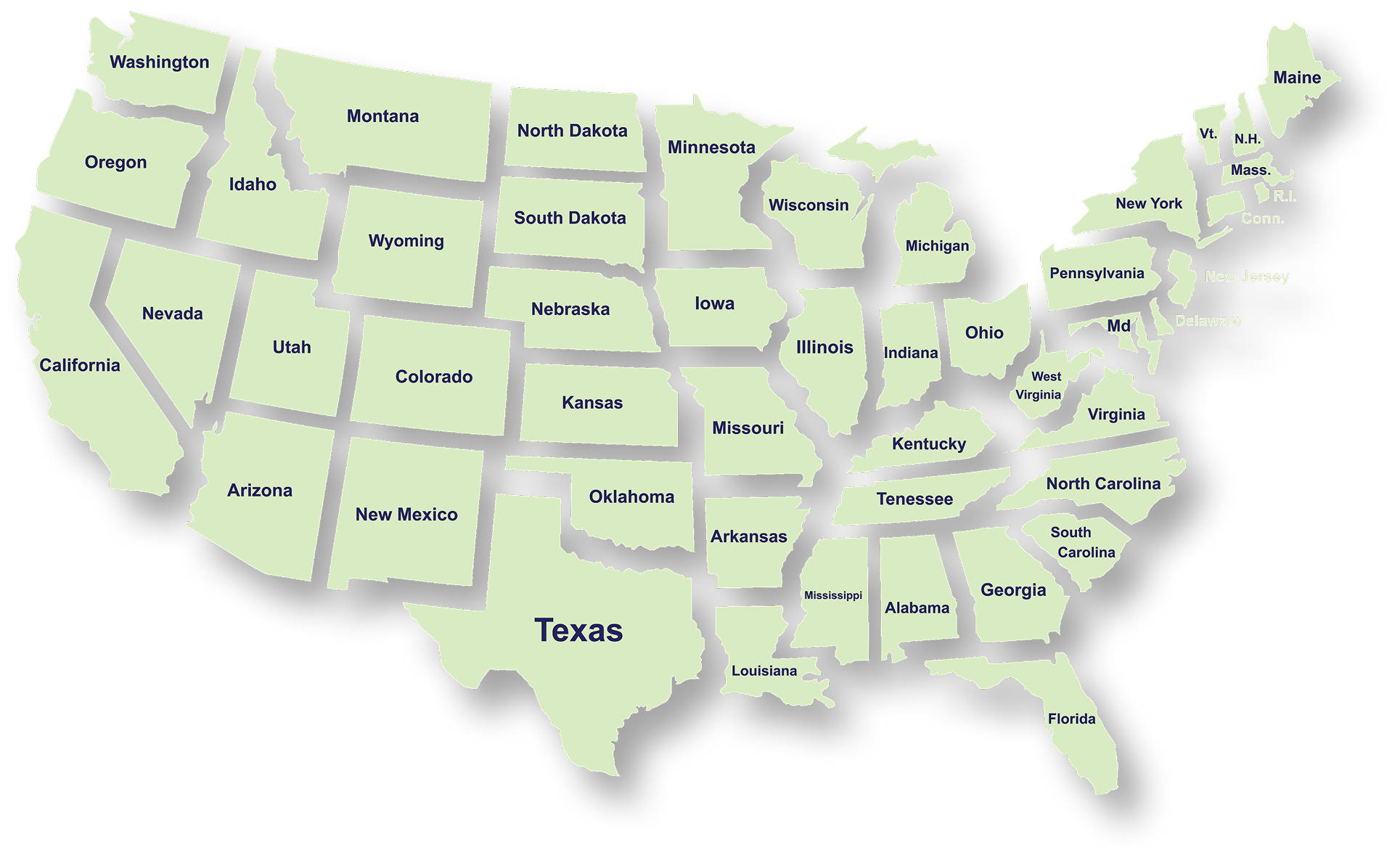
Serving Businesses & Individuals Across USA

We handle accounting, tax filing, and planning with defined timelines and accurate reporting for businesses and individuals across all states.

Frequently Asked Questions

What services does NR CPAs & Business Advisors provide?
What is tax planning and why is it important for businesses?
How can a Virtual CFO help my business?
When should a business consider IRS tax resolution services?
What financial statements does a business typically need?
How can startup advisory services help new businesses?
What is strategic business planning?
What is a Virtual Family Office and who can benefit from it?